Industries

Built for every industry that runs on camlocks.

Camlock (cam-and-groove) couplings are the standard quick-connect for hoses that carry fuel, milk, chemicals, cement, water, and waste. Wherever crews open and close them by hand, the EC Cam Tool makes the job safer and faster.

  • What a camlock isA quick-connect hose coupling. Two cam arms on the female coupler clamp a grooved male adapter against a gasket.
  • Why they stickGrit, corrosion, swollen gaskets, cold, and over-tightening seize the arms, and people start striking them by hand.
  • What EC Cam doesIts forked head fits over the arm and supplies leverage, so the coupling opens without force and closes fully seated.

Where camlocks do the work

On the truck, in the plant, and on the job site.

The EC Cam Tool fits the cam arms of standard camlock couplings, so it goes wherever your hoses go.

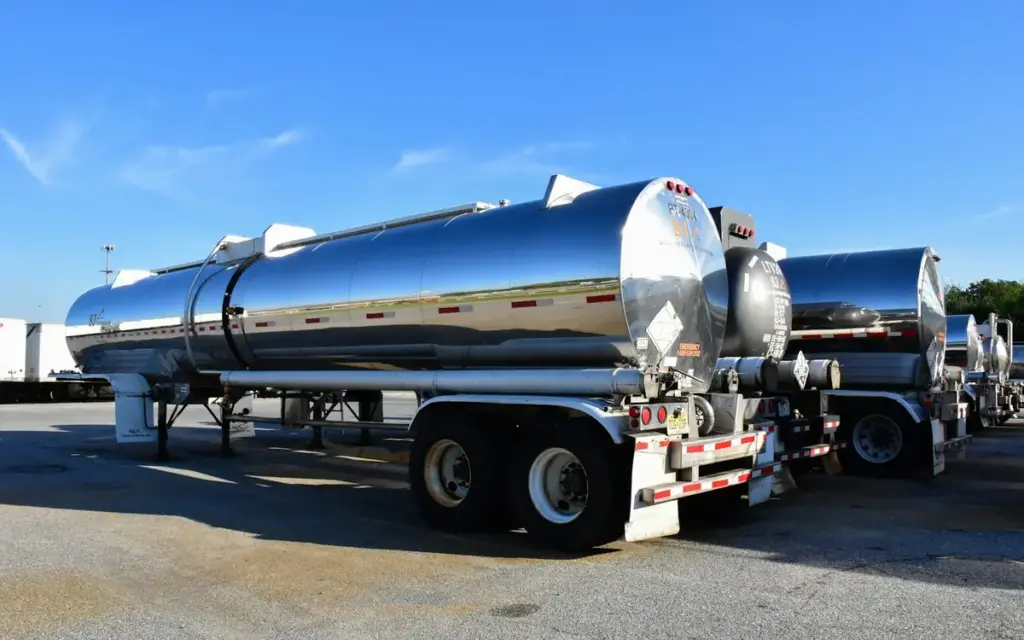
Polished stainless fuel tank trailers parked in a row at a terminal

Fuel delivery and petroleum transport

Gasoline and diesel transports, tank wagons, and bulk plants rely on camlocks for both product and vapor connections. On gasoline transports, the vapor recovery hookup is typically a four-inch cam-type coupler. A fully seated coupling helps keep vapor in the recovery line instead of escaping at the fitting, and drivers make these connections many times a shift.
Oil refinery with distillation towers and storage tanks at sunset

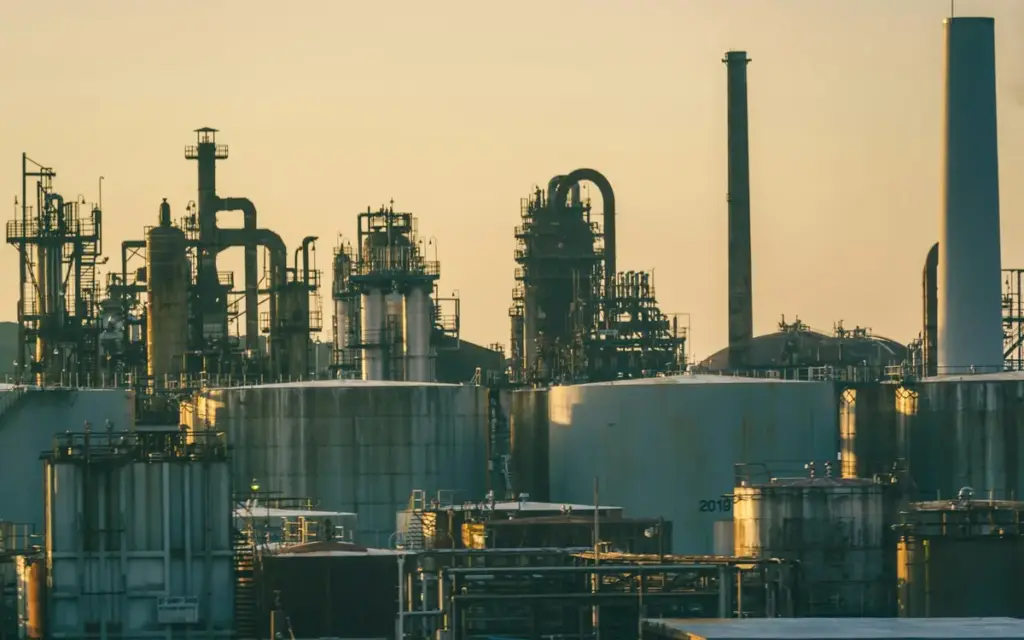
Refineries, terminals, and oil fields

Loading racks, tank farms, frac tanks, and drilling mud and produced-water lines all use large camlock connections. Fittings exposed to crude, weather, and abrasive fluids are among the hardest to open by hand, which is exactly where leverage helps.

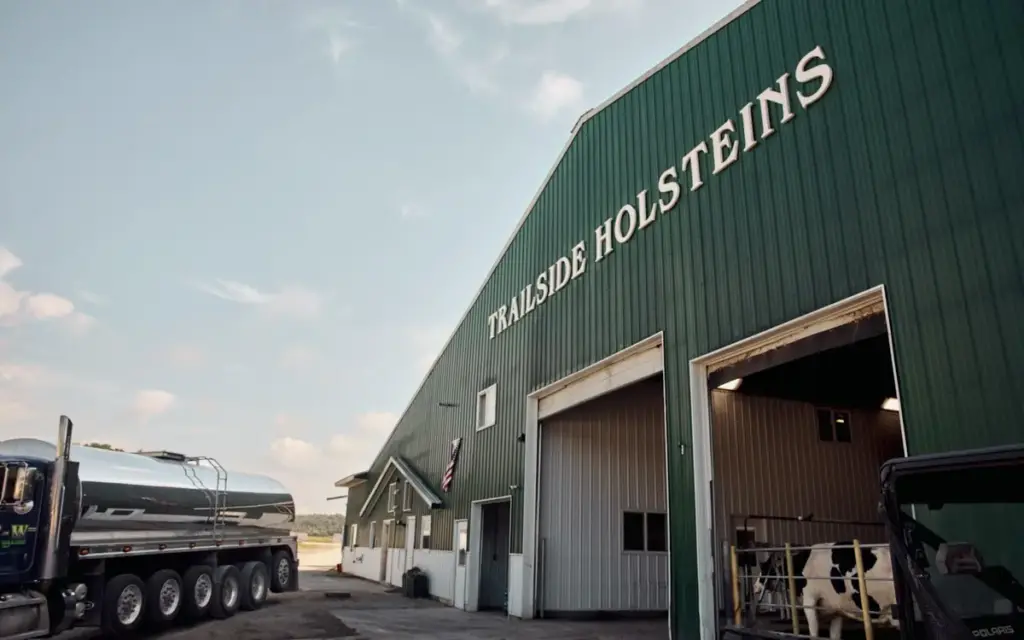
Stainless milk tanker truck parked beside a dairy barn

Dairy and food processing

Milk haulers connect at every farm stop, and processing plants move product between tanks, trailers, and lines. Stainless camlock fittings are common on those transfer hoses, and frequent washdowns and cold temperatures make stiff arms a daily nuisance.

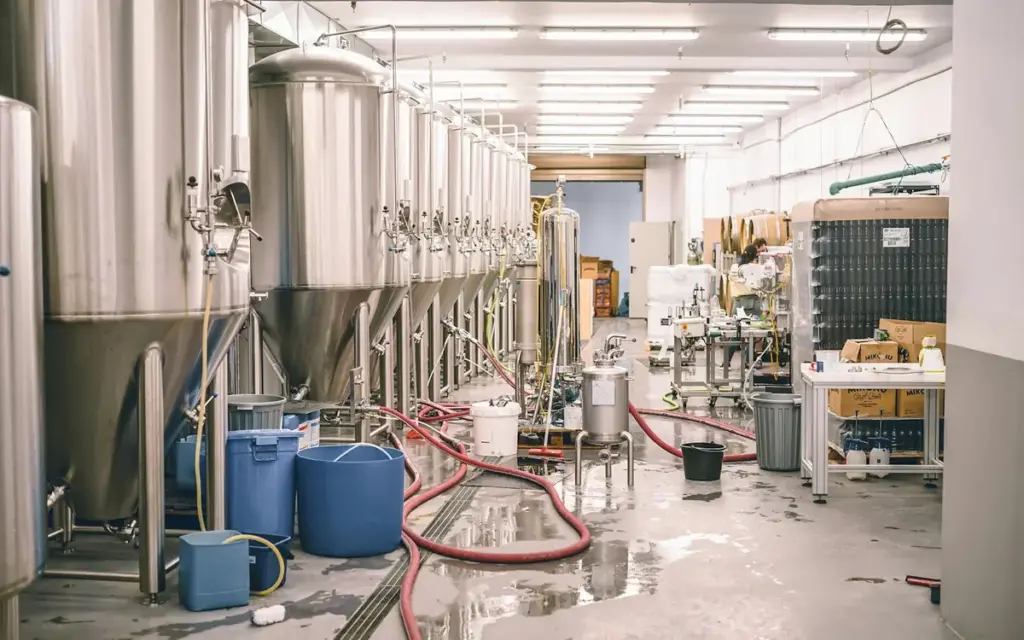
Stainless fermentation tanks in a brewery with transfer hoses on the floor

Breweries, wineries, and beverage plants

Transfer hoses between fermenters, brite tanks, and tankers often use stainless camlocks. Crews connect and disconnect them through every batch and every cleaning cycle, so the wear on hands adds up quickly.

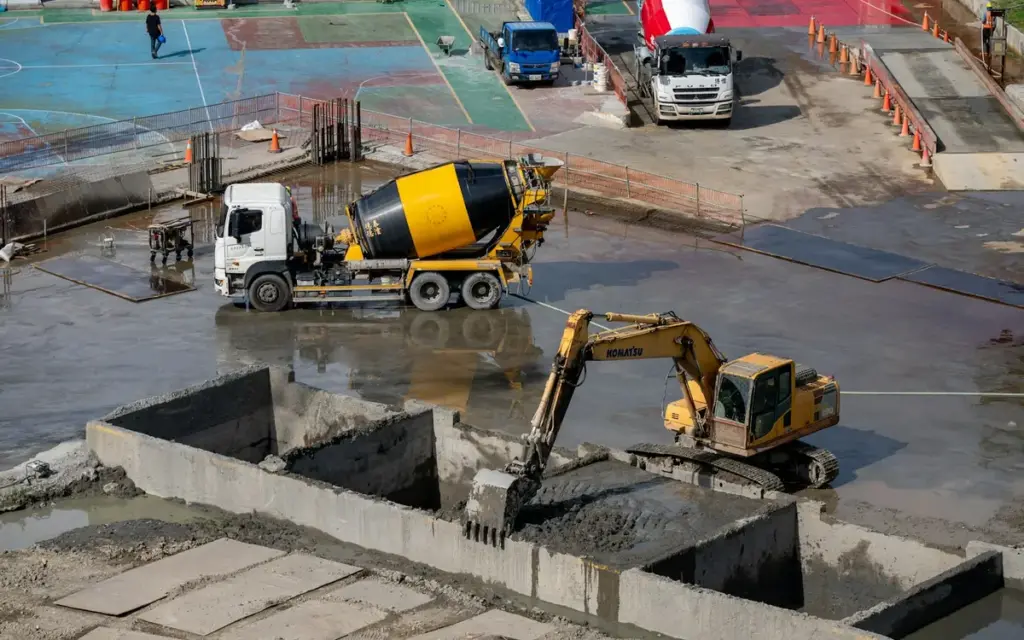
Concrete mixer truck and excavator working on a wet construction site

Construction, cement, and dewatering

Pneumatic cement and fly-ash trailers and job-site trash and dewatering pumps use camlocks on hoses that live in mud, dust, and weather. Grit packed into the cam is the most common reason an arm seizes.

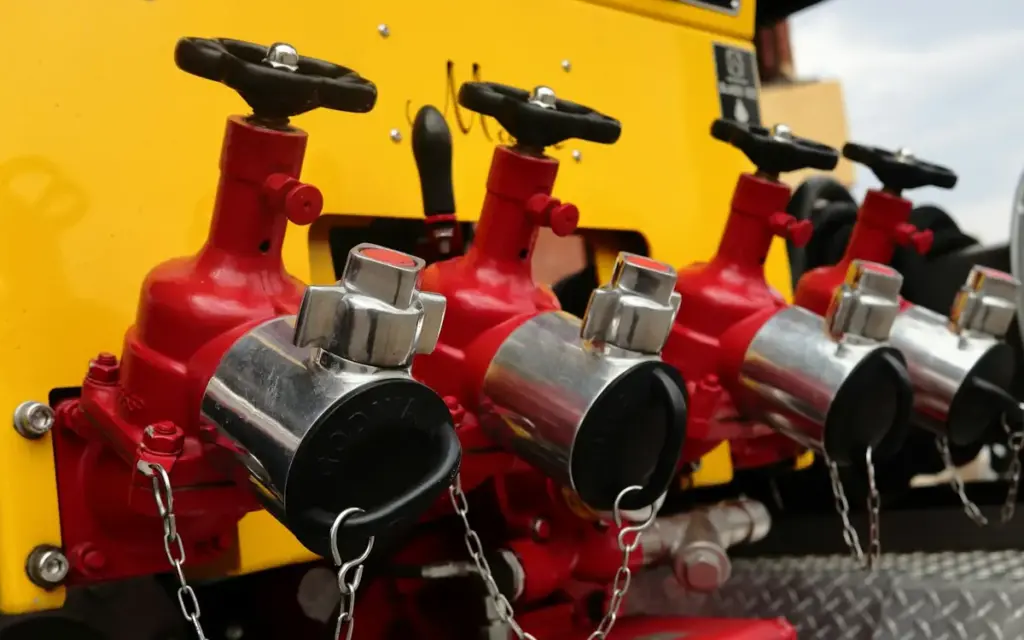
Red capped hose outlets on the side of a yellow fire apparatus

Fire service and water supply

Some departments use camlock fittings on tanker fill and dump connections, portable pumps, and water-supply hoses. When a connection has to come apart quickly, a stuck arm costs time that nobody has.

More operations that connect camlocks

Chemical and pharmaceutical

Chemical plants and distributors use camlocks on transfer hoses and totes, often in stainless or polypropylene. A fully seated connection matters most where the product is hazardous.

Agriculture

Fertilizer, liquid feed, irrigation, and liquid manure systems all use camlocks, usually outdoors and often in rough condition.

Septic, vacuum, and wastewater

Vacuum trucks, septic pumpers, and municipal crews connect large-diameter camlocks to suction hoses many times a day.

Dry bulk hauling

Pneumatic trailers carrying plastic pellets, flour, sugar, sand, and other dry materials unload through camlock connections.

Mining

Slurry, water, and fuel lines on mine sites use camlocks that take constant punishment from dust and abrasive material.

Marine and military

Fuel and water transfer on vessels, at ports, and in field operations depends on fast, reliable hose connections.

Paint, coatings, and inks

Bulk transfer between tanks, totes, and trucks uses camlocks that gum up quickly when product dries in the cam.

Water hauling and utilities

Potable and non-potable water trucks, hydrant adapters, and temporary bypass lines all use camlock connections.

Using camlocks somewhere we haven't listed? Tell us about it and we'll confirm the fit.

The benefits

What changes when crews have the right tool.

For operators

  • Less strain, fewer injuries. Striking a cam arm with the heel of the hand is a repeated impact. Over a career it adds up to bruises, cuts, and longer-term hand and wrist problems. Leverage replaces the impact.
  • Stuck fittings without a fight. Seized or over-tightened arms open with a steady pull, without hammers, pry bars, or improvised cheater bars that can bend the arms.
  • Confidence in the connection. Both arms pulled fully down means a seated, sealed coupling. No second tries and no guessing.

For fleets and facilities

  • Lower injury and workers' comp exposure. Fewer strike injuries means fewer claims, less lost time, and fewer people working hurt.
  • Less downtime. Hookups and disconnects go faster when nobody is fighting a stuck fitting, at the rack, the farm, or the job site.
  • Spill and release prevention. A coupling that isn't fully seated can weep, leak, or separate under pressure. Seating it every time greatly reduces spill risk, and on fuel transports with vapor recovery it helps keep vapor in the recovery line.
  • One method for every crew member. The same tool and the same motion for every driver and operator makes training and safety checks simpler.

When a company equips its people with tools that protect them, the message is clear: the work matters, and so do the people doing it.

Request a fleet quote
  • Veteran-Owned
  • Made in USA
  • Patent Pending
  • Free US shipping